Gnomes Brown: A Cozy, Handcrafted Classic
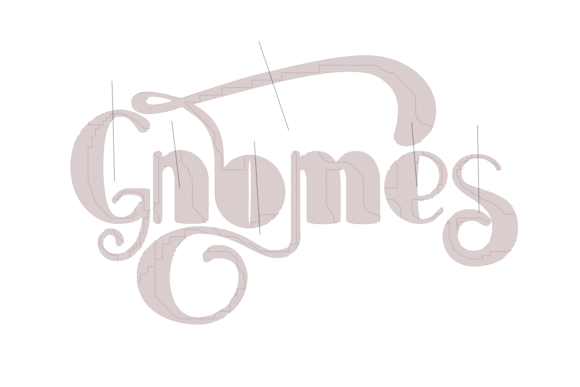
Every time I open a new embroidery file, I'm looking for that first gut reaction. Is this design going to translate from screen to stitch? With Gnomes Brown, the feeling was immediate: a warm, friendly charm that feels timeless. It's not a flashy, modern graphic; it’s a cozy, handcrafted classic. The theme speaks to comfort, whimsy, and a touch of rustic personality. That tells me it belongs on projects meant to feel personal, cherished, and gift-worthy.
The Kind of Project That Calls for a Gnome
Picture this scenario: a client asks for a personalized baby gift for a nursery. They want something unique, not a mass-produced cartoon character. Gnomes Brown immediately comes to mind. Its soft, rounded shapes and gentle details suggest it would stitch out beautifully on a baby’s quilt corner, a linen pillow for a rocking chair, or the breast pocket of a cozy sweatshirt meant for a new parent. The mood is sweet and sentimental without being overly childish, which expands its use beyond just infant items. I can envision it equally well on the corner of a kitchen towel in a holiday gift basket or as a small accent on an apron for a boutique shop. The design has a versatile personality—it feels handmade in the best sense.
Where This Design Will Stitch and Sell
For my fellow makers thinking about commercial use, Gnomes Brown has strong potential across several categories. As a focal point on a tote bag, it creates a product with instant gift appeal. Stitched onto a high-quality sweatshirt, it elevates a simple garment into a boutique-ready piece. For Etsy sellers and craft fair vendors, this embroidery file could anchor a whole line: think matching sets on baby bibs, caps, and blanket sets. It’s the sort of design that customers connect with visually; it tells a story of craftsmanship and care, which boosts the perceived value of the finished product. In printable mockups for digital product sellers, this design presents clearly and attractively, suggesting a well-defined, high-quality embroidery file.
Practical Stitching Considerations for Real Fabric
Now, let's talk about the translation from digital asset to physical stitch. The overall shape appears forgiving, likely with generous areas of fill stitch for the gnome’s body and hat. This is good news for durability on items like tote bags or aprons that see some wear. However, the charming details—like the facial features and any small decorative accents—require attention. On textured fabrics like a waffle-knit blanket, those tiny running stitch details might lose some clarity. On very thin or stretchy fabric, like a baby t-shirt, the stitch density needs to be supported with the right stabilizer to prevent puckering.
Dark fabric backgrounds are a classic challenge. The brown theme implies a design that might use mid-to-dark thread colors. If you're stitching on a black sweatshirt, you must check the thread color contrast meticulously. A quick test on scrap fabric is non-negotiable here. Does the design hold its visual personality when the background isn’t light? Sometimes, a design like this benefits from a slight shift in thread palette to ensure the gnome doesn’t disappear into the fabric.
Spots That Demand a Second Look
Any embroiderer knows the pain points. For Gnomes Brown, I’d pay special attention to the smaller elements during my test run. Are the corners of the hat sharp and clean? Are any potential satin stitch borders—perhaps on the hat trim—stitching without gaps? On curved surfaces like caps, the overall layout should be checked for distortion. Furthermore, for products destined for frequent washing, like baby clothes or kitchen linens, a well-balanced stitch density is key to longevity. Too dense, and the fabric becomes stiff; too sparse, and details may wear away. Always, always stitch a sample first.
Turning a Design Into a Trusted Product
Using a design like Gnomes Brown in a craft business isn't just about the technical stitchout. It’s about how it affects your brand and customer trust. A clean, crisp embroidery of this gnome on a handmade product signals attention to detail. It makes a personalized gift feel truly special and considered. For apparel decorators, it offers a ready-made, wholesome asset for custom apparel that appeals to a broad audience—parents, grandparents, friends looking for a heartfelt present. Its professional execution on the final product directly influences buyer engagement. A messy stitchout with skipped details would undermine the design’s inherent charm; a perfect one reinforces your reputation as a skilled maker.
Your Pre-Stitch Checklist
Before you load this machine embroidery design for a real project, run through these practical notes. Hoop size is fundamental: ensure the design dimensions fit your project area comfortably, allowing for any necessary stabilizer overlap. Review the provided file details for any critical information on stitch count or recommended size; if they aren’t provided, you’ll need to determine this through your software. Test the design in both light and dark fabric mockups, even simple black-and-white previews, to understand its silhouette and contrast needs. Finally, confirm the licensing terms. Is Gnomes Brown cleared for commercial use, allowing you to sell the finished embroidered products or use it in your small shop merchandise? Never assume. This step protects your business and respects the digital product creator.
Gnomes Brown, in essence, is a design that invites a thoughtful approach. It’s not a throw-it-on-anything file. It’s a design that asks you to choose the right fabric, the right product, and the right stitching setup to let its cozy personality shine through. When you do that, the result is a finished product that feels authentic, valuable, and deeply pleasing—the kind of embroidery work that keeps customers coming back.